A comprehensive comparison of zero-based budgeting and the 50/30/20 rule to find the best budgeting method for you.
A comprehensive comparison of zero-based budgeting and the 50/30/20 rule to find the best budgeting method for you. Choosing the right budgeting method can feel like navigating a maze, especially with so many options out there. But don't sweat it! Today, we're diving deep into two of the most popular and effective budgeting strategies: Zero-Based Budgeting (ZBB) and the 50/30/20 Rule. Both have their champions and their critics, and what works for your neighbor in New York might not be the best fit for you in Singapore. Let's break down each method, explore their pros and cons, and help you figure out which one will get you closer to your financial goals, whether you're saving for a down payment in the US or planning a big trip across Southeast Asia.
Comparing Zero Based Budgeting vs 50 30 20 Rule Your Ultimate Guide
Understanding Zero Based Budgeting ZBB What It Is and How It Works
Alright, let's kick things off with Zero-Based Budgeting, or ZBB. Imagine your bank account balance at the start of every month. With ZBB, you're essentially giving every single dollar a job. Every dollar you earn has to be allocated to a specific category: rent, groceries, savings, debt repayment, entertainment, you name it. The goal? Your income minus your expenses should equal zero. Not literally zero dollars left in your account, but zero unassigned dollars. It's about intentional spending and making sure you know exactly where your money is going.
Think of it like this: you're not just tracking where your money went; you're deciding where it *will* go before the month even begins. This method demands a bit more attention and planning upfront, but the payoff is incredible clarity and control over your finances. It's particularly popular with folks who want to aggressively pay down debt, save for a big purchase, or just feel more in charge of their money.
Key Principles of Zero Based Budgeting Every Dollar Has a Job
The core idea here is 'every dollar has a job.' This means you're not just estimating your expenses; you're assigning a specific amount to each category until your income is fully distributed. If you earn $4,000 a month, you need to allocate that entire $4,000. If you have $50 left over after covering all your essentials and savings goals, you need to decide what that $50 is for – maybe an extra coffee fund, a small treat, or an additional payment to your savings. The point is, it doesn't just sit there unassigned.
Pros of Zero Based Budgeting Enhanced Financial Control and Awareness
One of the biggest upsides of ZBB is the incredible financial control it gives you. You become acutely aware of every dollar you spend. This heightened awareness can be a game-changer for identifying unnecessary expenses and redirecting funds towards your financial goals. It's fantastic for breaking bad spending habits and for those who need a strict framework to get their finances in order. For instance, if you're trying to save for a house down payment in Kuala Lumpur or clear student loans in the US, ZBB can provide the discipline you need.
Cons of Zero Based Budgeting Time Consuming and Requires Discipline
On the flip side, ZBB can be quite time-consuming, especially when you're first starting out. It requires a detailed breakdown of all your expenses and income, and you need to be diligent about tracking. If you're someone who prefers a more hands-off approach, this might feel like a chore. It also demands a good deal of discipline to stick to your allocations throughout the month. Life happens, and sometimes unexpected expenses pop up, which means you'll need to adjust your budget mid-month, which can be a bit of a hassle.
Exploring the 50 30 20 Rule A Simpler Approach to Budgeting
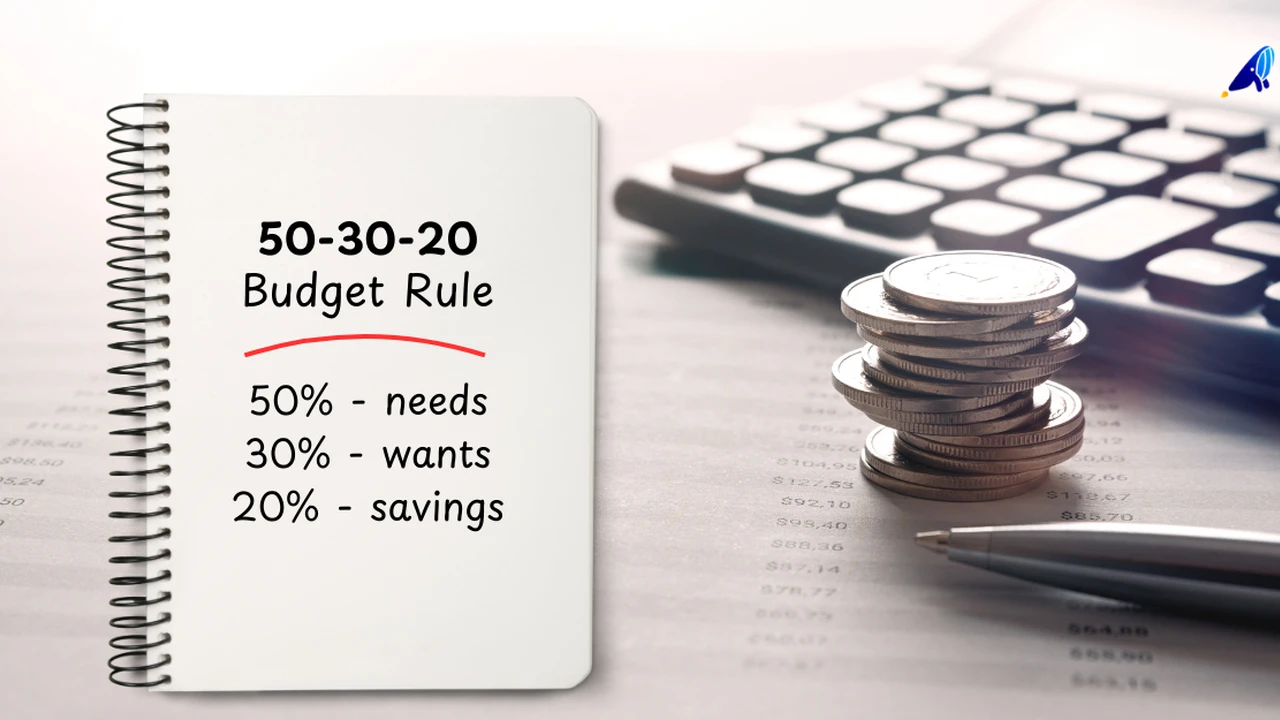
Now, let's shift gears to the 50/30/20 Rule. This method is often touted as a simpler, more flexible alternative to ZBB, and it's super popular for a reason. It was popularized by Senator Elizabeth Warren and her daughter Amelia Warren Tyagi in their book 'All Your Worth: The Ultimate Lifetime Money Plan.' The premise is straightforward: you divide your after-tax income into three main categories:
* **50% for Needs:** These are your essential expenses – things you absolutely cannot live without. Think rent or mortgage payments, groceries, utilities, transportation to work, minimum loan payments, and insurance.
* **30% for Wants:** This category covers all the non-essential things that improve your quality of life. This includes dining out, entertainment, subscriptions (Netflix, Spotify), vacations, new clothes, and hobbies. Basically, anything you *could* live without but choose not to.
* **20% for Savings and Debt Repayment:** This is where you put your money towards your financial future. This includes contributions to your retirement accounts (like a 401k or IRA in the US, or a CPF in Singapore), emergency fund savings, investments, and any extra payments towards high-interest debt beyond the minimums.
Simplicity and Flexibility The Hallmarks of the 50 30 20 Rule
The beauty of the 50/30/20 Rule lies in its simplicity. You don't need to meticulously track every single dollar. Once you've allocated your percentages, you have a general guideline for your spending. This makes it much easier to manage and less intimidating for budgeting beginners. It offers a good balance between structure and flexibility, allowing you to enjoy your life while still making progress on your financial goals.
Pros of the 50 30 20 Rule Easy to Implement and Maintain
The biggest advantage here is how easy it is to get started and maintain. You don't need fancy software or hours of planning. Just calculate your after-tax income, apply the percentages, and you're good to go. It's a great starting point for anyone new to budgeting or those who find more detailed methods overwhelming. It also encourages a healthy balance between enjoying your present and planning for your future, which is crucial for long-term financial well-being.
Cons of the 50 30 20 Rule Less Granular Control and Potential for Overspending
While its simplicity is a strength, it can also be a weakness. The 50/30/20 Rule offers less granular control compared to ZBB. You might find yourself overspending within your 'wants' category if you're not careful, as there's no specific limit on individual items within that 30%. It might also be challenging for individuals with very high essential expenses (e.g., living in an expensive city like New York or Singapore) where 50% might not be enough for needs, or for those with very low incomes where 20% for savings might feel unattainable.
Zero Based Budgeting vs 50 30 20 Rule Which One is Right for You
So, how do you choose between these two powerhouses? It really boils down to your personal financial situation, your personality, and your current financial goals. There's no one-size-fits-all answer, but we can help you weigh the options.
When Zero Based Budgeting Shines Aggressive Goals and Detailed Tracking
ZBB is your go-to if you:
* **Have aggressive financial goals:** Want to pay off a significant amount of debt quickly? Saving for a large down payment on a property in Bangkok? ZBB will help you find every spare dollar to put towards those goals.
* **Need to get a handle on your spending:** If you feel like your money just disappears each month and you don't know where it goes, ZBB will give you that clarity.
* **Prefer detailed tracking and maximum control:** If you're a numbers person and enjoy knowing exactly where every penny is allocated, ZBB will be very satisfying.
* **Have an irregular income:** ZBB can be particularly useful for freelancers or those with variable incomes, as you can adjust your allocations each month based on what you expect to earn.
When the 50 30 20 Rule is Ideal Simplicity and Balanced Living
The 50/30/20 Rule is perfect if you:
* **Are new to budgeting:** It's a fantastic entry point into managing your money without feeling overwhelmed.
* **Prefer a simpler, less time-consuming approach:** If you want a general framework without getting bogged down in micro-details, this is for you.
* **Have a relatively stable income:** This method works best when your income is consistent, making the percentage allocations easier to manage.
* **Want a balanced approach to spending and saving:** It allows for enjoyment in the present while still prioritizing your future.
* **Live in an area with reasonable cost of living:** Where 50% of your income can comfortably cover your needs.
Hybrid Approaches Combining the Best of Both Worlds
Who says you have to pick just one? Many people find success by blending elements of both ZBB and the 50/30/20 Rule. For example, you could use the 50/30/20 Rule as your overarching framework, but then apply ZBB principles to your 'wants' category. So, you allocate 30% to wants, but within that 30%, you give every dollar a job (e.g., $100 for dining out, $50 for entertainment, $30 for subscriptions). This gives you the simplicity of the 50/30/20 Rule with the added control of ZBB where you need it most.
Another hybrid approach could be to use ZBB for a few months to really understand your spending habits, and once you have a good grasp, transition to the 50/30/20 Rule for easier maintenance. Or, if you have a specific short-term goal (like saving for a wedding or a new car), you might switch to ZBB temporarily to accelerate your savings, then revert to the 50/30/20 Rule once that goal is met.
Budgeting Tools and Apps to Help You Succeed
No matter which method you choose, having the right tools can make a world of difference. Here are some popular budgeting apps and tools, with a focus on options relevant to both US and Southeast Asian markets, including their features, pricing, and use cases:
YNAB You Need A Budget For Zero Based Budgeting Enthusiasts
* **What it is:** YNAB is arguably the gold standard for Zero-Based Budgeting. It's built entirely around the 'give every dollar a job' philosophy. It helps you plan your spending before you spend, rather than just tracking past transactions.
* **Key Features:** Real-time syncing with bank accounts (US, Canada, UK, some European banks), goal tracking, detailed reporting, mobile app, and a strong community. It's fantastic for understanding your true expenses and breaking the paycheck-to-paycheck cycle.
* **Use Case:** Ideal for individuals or families committed to ZBB, who want to aggressively save, pay off debt, or gain deep insight into their spending habits. It's particularly powerful for those with irregular incomes.
* **Pricing:** YNAB is a subscription service, typically around $14.99/month or $99/year (prices can vary slightly). They offer a free 34-day trial.
* **Availability:** Primarily focused on US and Canadian banks for direct import, but can be used manually anywhere in the world. Some users in Southeast Asia manually input transactions or use third-party aggregators if direct bank linking isn't available.
Mint For General Budgeting and Financial Overview
* **What it is:** Mint, by Intuit, is a free personal finance app that helps you track your spending, create budgets, and monitor your financial accounts in one place. It's more of a tracking and categorization tool than a strict ZBB app, making it suitable for the 50/30/20 Rule or general budgeting.
* **Key Features:** Connects to thousands of US and Canadian financial institutions, categorizes transactions automatically, bill tracking, credit score monitoring, investment tracking, and customizable budget categories.
* **Use Case:** Great for beginners who want a free, easy-to-use tool to see where their money is going, set basic budgets, and get an overall financial snapshot. It's less about assigning every dollar and more about monitoring.
* **Pricing:** Free, supported by ads and financial product recommendations.
* **Availability:** Primarily for US and Canadian users due to bank linking capabilities. Limited functionality for Southeast Asian users unless manually inputting data.
Personal Capital For Wealth Management and Budgeting
* **What it is:** Personal Capital is a hybrid tool that excels at investment tracking and retirement planning, but also offers robust budgeting features. It's more geared towards those with investments and higher net worth, but its free tools are useful for anyone.
* **Key Features:** Net worth tracker, investment checkup, retirement planner, cash flow analyzer, and budgeting tools. It links to a wide array of US financial institutions.
* **Use Case:** Best for individuals who want to manage their investments alongside their budget, track their net worth, and plan for long-term financial goals. Can support a 50/30/20 approach by monitoring spending categories.
* **Pricing:** Free for the financial dashboard and budgeting tools. Paid services for wealth management with a financial advisor.
* **Availability:** Primarily for US users.
PocketGuard For Simplicity and 'What's Left to Spend'
* **What it is:** PocketGuard focuses on simplicity, telling you 'what's left to spend' after accounting for bills, savings, and necessities. It's a good fit for those who want a quick overview without deep dives.
* **Key Features:** Connects to US financial institutions, tracks income and expenses, helps reduce bills, and identifies savings opportunities. It's designed to be very user-friendly.
* **Use Case:** Ideal for people who want a simple, glanceable budget that tells them how much discretionary money they have. Can work well with a 50/30/20 mindset by helping you stay within your 'wants' budget.
* **Pricing:** Free version with basic features; PocketGuard Plus subscription for advanced features (e.g., custom categories, debt payoff plan) around $7.99/month or $79.99/year.
* **Availability:** Primarily for US users.
Goodbudget For Envelope System Budgeting
* **What it is:** Goodbudget is a digital envelope budgeting app, which is a close cousin to Zero-Based Budgeting. You allocate funds to digital 'envelopes' for different spending categories.
* **Key Features:** Syncs across devices, tracks income and expenses, allows for shared household budgeting, and offers detailed reports. It's a great visual way to manage your money.
* **Use Case:** Excellent for families or individuals who like the visual and structured approach of the envelope system. It naturally lends itself to ZBB principles by assigning funds to specific categories.
* **Pricing:** Free version with limited envelopes and accounts; Plus version for unlimited envelopes and accounts, typically around $7/month or $60/year.
* **Availability:** Global, as it doesn't rely on direct bank linking but rather manual input or file import. This makes it a viable option for users in Southeast Asia.
Toshl Finance For Global Users and Expense Tracking
* **What it is:** Toshl Finance is a versatile expense tracker and budget planner that works well for international users. It supports multiple currencies and offers a good balance of features.
* **Key Features:** Manual entry or bank connections (supports many banks globally, including some in Southeast Asia), budget setting, bill organization, and financial reports. It's great for tracking spending across different countries.
* **Use Case:** Ideal for expats, digital nomads, or anyone who needs to manage finances in multiple currencies. Can be adapted for both ZBB (by setting strict budgets for categories) and 50/30/20 (by setting broader category limits).
* **Pricing:** Free version with basic features; Pro version for unlimited budgets, bank connections, and advanced features, around $2.99/month or $19.99/year.
* **Availability:** Global, with bank connections in many countries, including a growing number in Southeast Asia.
Money Lover For Southeast Asian Users
* **What it is:** Money Lover is a popular personal finance app, especially strong in Southeast Asia. It offers expense tracking, budgeting, and bill management.
* **Key Features:** Links to banks in Vietnam, Thailand, Indonesia, and other SEA countries, budget planning, debt and loan tracking, event budgeting, and currency exchange rates.
* **Use Case:** Excellent for users in Southeast Asia who want local bank integration and a comprehensive budgeting tool. Can support both ZBB and 50/30/20 by allowing detailed budget creation for categories.
* **Pricing:** Free version with ads and limited features; Premium version for ad-free experience, unlimited wallets, and advanced features, typically a one-time purchase or annual subscription (prices vary by region).
* **Availability:** Strong presence and bank linking capabilities in Southeast Asia, as well as global manual input options.
Practical Tips for Implementing Your Chosen Budgeting Method
Once you've picked your budgeting champion, it's time to put it into action. Here are some practical tips to help you succeed, whether you're in the bustling markets of Jakarta or the quiet suburbs of Ohio:
Start Small and Be Patient
Don't try to perfect your budget on day one. Start with a basic framework and adjust as you go. It takes a few months to really understand your spending patterns and fine-tune your categories. Be patient with yourself; budgeting is a marathon, not a sprint.
Track Your Spending Religiously
This is non-negotiable for both methods, though ZBB requires more detail. Whether you're using an app, a spreadsheet, or a pen and paper, consistently track every dollar you spend. This is how you identify leaks in your budget and make informed adjustments.
Review and Adjust Regularly
Your budget isn't set in stone. Life changes, and so should your budget. Review it at least once a month. Did you overspend in one category? Did you have unexpected income? Adjust your allocations for the next month based on what you learned. This iterative process is key to long-term success.
Automate Your Savings and Debt Payments
Make saving and debt repayment automatic. Set up recurring transfers from your checking account to your savings or investment accounts, and schedule your debt payments. This ensures you prioritize your financial goals before you even have a chance to spend the money.
Be Realistic About Your Expenses
Don't create a budget that's impossible to stick to. If you love your daily coffee, budget for it! Cutting out everything you enjoy will only lead to burnout and abandoning your budget altogether. Be honest about your needs and wants.
Find an Accountability Partner or Community
Sometimes, having someone to share your journey with can be incredibly motivating. This could be a spouse, a friend, or an online community. Sharing tips, celebrating wins, and discussing challenges can keep you on track.
Celebrate Small Wins
Budgeting can feel like a grind, so make sure to celebrate your progress. Hit a savings goal? Paid off a credit card? Acknowledge these achievements. It reinforces positive financial habits and keeps you motivated for the long haul.
Ultimately, the best budgeting method is the one you'll actually stick with. Whether it's the meticulous detail of Zero-Based Budgeting or the flexible framework of the 50/30/20 Rule, consistency is your most powerful tool. Experiment, adapt, and find what truly empowers you to take control of your financial future.
:max_bytes(150000):strip_icc()/277019-baked-pork-chops-with-cream-of-mushroom-soup-DDMFS-beauty-4x3-BG-7505-5762b731cf30447d9cbbbbbf387beafa.jpg)