The Ultimate Guide to Emergency Funds for Expats
An essential guide for expats in Southeast Asia and the US on how to build and maintain a robust emergency fund.
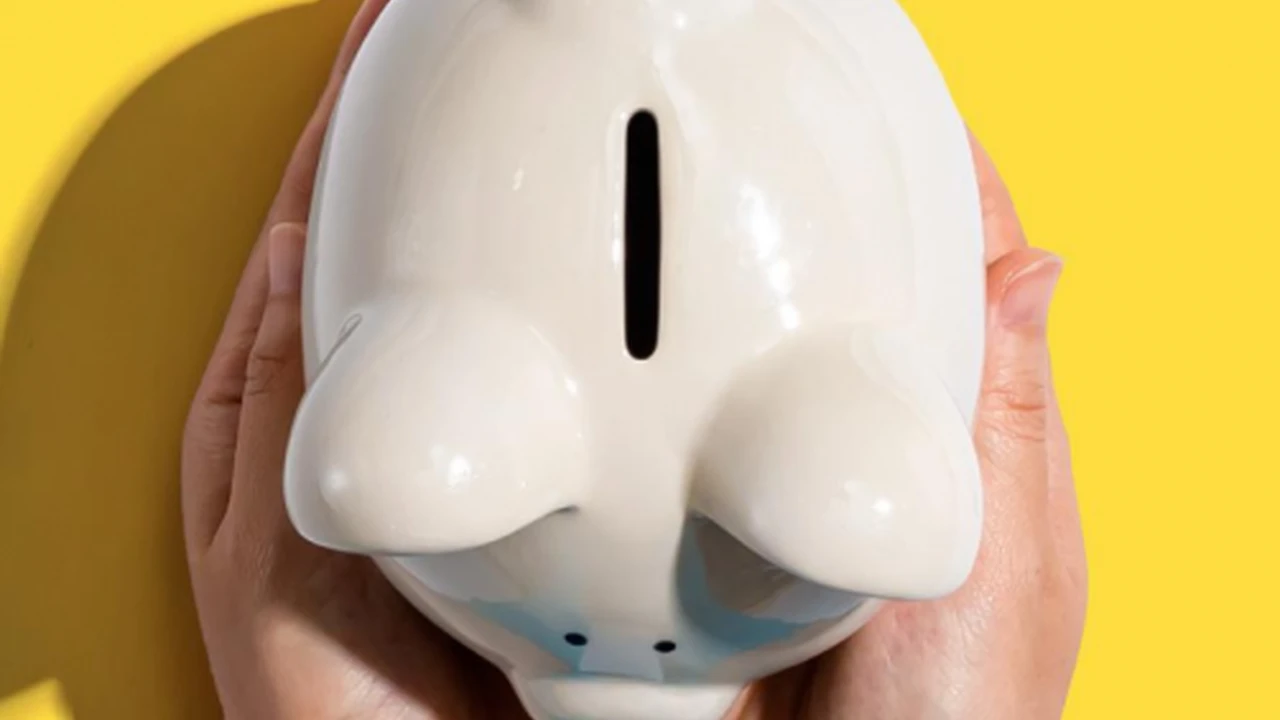
An essential guide for expats in Southeast Asia and the US on how to build and maintain a robust emergency fund.
The Ultimate Guide to Emergency Funds for Expats
Hey there, fellow expat! Whether you're living the dream in bustling Bangkok, the serene beaches of Bali, the vibrant streets of New York, or the tech hubs of Silicon Valley, one thing remains universally true: life throws curveballs. And when you're living abroad, those curveballs can feel a lot bigger and hit a lot harder. That's where an emergency fund comes in – it's your financial safety net, your peace of mind, and frankly, your best friend when things go sideways. This isn't just about having some extra cash; it's about building a robust financial fortress that protects you from the unique challenges of expat life in both Southeast Asia and the US.
Let's dive deep into why an emergency fund is non-negotiable for expats, how much you really need, where to stash your cash, and some practical tips to get yours built and maintained, no matter where your expat journey takes you.
Why Expats Need an Emergency Fund More Than Anyone Else
You might be thinking, 'Doesn't everyone need an emergency fund?' And you'd be right! But for expats, the stakes are often higher, and the potential emergencies more complex. Here's why:
Unexpected Job Loss and Income Instability for Expats
Losing your job is tough anywhere, but as an expat, it can trigger a cascade of issues. Your visa might be tied to your employment, meaning job loss could lead to a forced departure. Finding a new job in a foreign country can take longer, and you might not have the same social safety nets (like unemployment benefits) that you would in your home country. An emergency fund gives you the breathing room to search for new opportunities without panicking or having to pack up your life prematurely.
Healthcare Costs and Medical Emergencies Abroad
Healthcare systems vary wildly. In some Southeast Asian countries, private healthcare can be excellent but expensive if you're not adequately insured. In the US, even with insurance, deductibles and co-pays can quickly add up. A sudden illness, an accident, or even an unexpected dental emergency can drain your bank account faster than you can say 'ouch.' Your emergency fund can cover these immediate costs, allowing you to focus on recovery, not financial stress.
Repatriation Costs and Unexpected Travel Expenses
What if you need to fly home urgently for a family emergency? Or what if your expat adventure comes to an unexpected end, and you need to cover the costs of moving all your belongings and yourself back home? These aren't cheap. Flights, shipping, visa cancellations, breaking leases – it all adds up. An emergency fund ensures you can handle these significant, often unforeseen, travel and relocation expenses without going into debt.
Currency Fluctuations and Economic Instability in Expat Destinations
Living in a foreign country often means dealing with different currencies. Exchange rates can fluctuate, sometimes dramatically. What seems like a comfortable amount of savings today could be worth significantly less tomorrow. Economic instability in your host country could also impact your job security or the cost of living. An emergency fund, ideally held in a stable currency or diversified, can buffer you against these financial shocks.
Visa Issues and Legal Fees for International Residents
Visa applications, renewals, or unexpected legal issues can be complex and costly. You might need to pay for legal advice, expedited processing fees, or even fines. These are often urgent expenses that can't wait. Your emergency fund provides the necessary liquidity to navigate these bureaucratic hurdles.
How Much Emergency Fund Do Expats Really Need
The golden rule for emergency funds is typically 3-6 months of essential living expenses. But for expats, I'd lean towards the higher end, and sometimes even more, depending on your specific situation. Let's break it down:
Calculating Your Essential Monthly Expenses for Expat Life
This isn't just your rent and groceries. Think about all your non-negotiable costs:
- Housing: Rent/mortgage, utilities (electricity, water, internet).
- Food: Groceries, essential dining out.
- Transportation: Public transport, car payments, fuel, insurance.
- Insurance: Health, travel, property (if applicable).
- Visa/Immigration Fees: Any recurring or potential costs.
- Debt Payments: Student loans, credit card minimums.
- Essential Communication: Phone bill.
- Minimum Repatriation Buffer: A small amount set aside for potential emergency flights home.
Exclude discretionary spending like lavish dinners, shopping sprees, or expensive hobbies. This is about survival, not luxury.
Factors Influencing Emergency Fund Size for Global Citizens
- Job Security: If your industry is volatile or your job contract is short-term, aim for 6-12 months.
- Dependents: If you have a spouse or children relying on your income, increase your fund.
- Healthcare Access: If you're in a country with expensive private healthcare and limited public options, beef up your fund.
- Visa Type: If your visa is directly tied to your employment and difficult to transfer, more is better.
- Home Country Support: Do you have family you could fall back on? This might slightly reduce your immediate need, but don't rely on it entirely.
- Cost of Repatriation: How much would it cost to get you and your belongings back home in a hurry? Factor this in.
For many expats, especially those in Southeast Asia with less robust social safety nets or those in the US facing high healthcare costs, aiming for 6-9 months, or even a full year, of essential expenses is a smart move.
Where to Keep Your Emergency Fund for Optimal Access and Security
Your emergency fund needs to be liquid (easily accessible) and safe. It's not for investing in the stock market; it's for emergencies. Here are the best options, with specific product recommendations for expats in the US and Southeast Asia:
High Yield Savings Accounts HYSA for Expats
This is the gold standard. HYSAs offer better interest rates than traditional savings accounts, helping your money grow slightly while remaining fully liquid. They are typically FDIC-insured in the US and similarly protected in other regulated markets.
US-Based HYSA Recommendations for Expats
- Ally Bank Online Savings Account:
- Features: Consistently competitive interest rates, no monthly fees, no minimum balance, 24/7 customer service. Easy online transfers.
- Use Case: Excellent for US citizens or permanent residents who want a reliable, high-yield option.
- Pros: Strong online platform, good rates, FDIC insured.
- Cons: No physical branches.
- Typical Rate: Varies, but often 4.00% APY or higher (as of late 2023/early 2024).
- Marcus by Goldman Sachs Online Savings Account:
- Features: Competitive APY, no fees, no minimum deposit, strong customer support.
- Use Case: Another solid choice for US-based expats seeking a high-yield, no-frills savings account.
- Pros: Good rates, backed by Goldman Sachs, FDIC insured.
- Cons: Limited product offerings beyond savings and CDs.
- Typical Rate: Varies, often 4.00% APY or higher.
- Discover Bank Online Savings Account:
- Features: Competitive rates, no monthly fees, no minimum balance, 24/7 US-based customer service.
- Use Case: Good for those who might also want to use Discover for credit cards or other banking services.
- Pros: Reputable brand, good rates, FDIC insured.
- Cons: No physical branches.
- Typical Rate: Varies, often 4.00% APY or higher.
Southeast Asia-Based HYSA and Digital Bank Recommendations for Expats
This region is more fragmented, so options depend on the specific country. Digital banks are often leading the charge here.
- Singapore - GXS Bank Savings Account (Digital Bank):
- Features: Often offers attractive interest rates, especially for smaller balances, with easy app-based management. Backed by a consortium including Grab and Singtel.
- Use Case: Expats residing in Singapore looking for a modern, high-yield option.
- Pros: Competitive rates, user-friendly app, deposit insurance up to S$75,000 by SDIC.
- Cons: Newer player, may have balance caps for highest rates.
- Typical Rate: Varies, can be 2.5% - 3.5% APY for certain tiers.
- Philippines - CIMB Bank PH GSave Account (Digital Bank):
- Features: High interest rates compared to traditional banks, no minimum balance, easy access via GCash app.
- Use Case: Expats in the Philippines seeking a convenient and high-yield savings solution.
- Pros: Very competitive rates, integrated with popular e-wallet, PDIC insured up to PHP 500,000.
- Cons: Primarily app-based, some users report occasional customer service delays.
- Typical Rate: Varies, often 2.5% - 4.0% APY.
- Malaysia - Boost Bank Savings Account (Digital Bank):
- Features: Offers competitive interest rates, often with tiered structures, and integrates with the Boost e-wallet ecosystem.
- Use Case: Expats in Malaysia looking for a digital-first banking experience with good returns on savings.
- Pros: Good rates, convenient app, PIDM insured up to RM250,000.
- Cons: Relatively new, may have promotional rates that change.
- Typical Rate: Varies, can be 2.5% - 3.5% APY.
- Thailand - SCB Easy Savings Account (Traditional Bank with Strong Digital Presence):
- Features: While not strictly a digital bank, SCB offers excellent digital banking services and competitive savings rates for a traditional institution.
- Use Case: Expats in Thailand who prefer a more established bank but still want good digital access and decent rates.
- Pros: Reputable, extensive ATM network, good digital app, DPA insured up to THB 1 million.
- Cons: Rates might not be as high as pure digital banks.
- Typical Rate: Varies, often 0.5% - 1.5% APY.
Money Market Accounts MMA for Expat Savings
Similar to HYSAs, MMAs often offer slightly higher interest rates but might come with minimum balance requirements or limited check-writing privileges. They are also FDIC-insured.
US-Based MMA Recommendations for Expats
- CIT Bank Money Market Account:
- Features: Competitive rates, no monthly service fees if you maintain a minimum balance or meet deposit requirements.
- Use Case: Expats with a larger emergency fund who can meet minimum balance requirements to avoid fees.
- Pros: Good rates, FDIC insured.
- Cons: Minimum balance to avoid fees.
- Typical Rate: Varies, often 4.00% APY or higher.
Short-Term Certificates of Deposit CD for a Portion of Your Fund
If you have a very large emergency fund (e.g., 12+ months of expenses), you might consider putting a portion (e.g., 3-6 months' worth) into a short-term CD (3-6 months term). This offers a slightly higher interest rate than a HYSA but locks up your money for a set period. Only do this with funds you are absolutely certain you won't need immediately.
US-Based Short-Term CD Recommendations for Expats
- Synchrony Bank CDs:
- Features: Offers a range of CD terms with competitive rates.
- Use Case: For the portion of your emergency fund you're confident you won't need for a few months.
- Pros: Good rates, FDIC insured.
- Cons: Funds are locked for the term.
- Typical Rate: Varies by term, often 4.50% APY or higher for short terms.
Multi-Currency Accounts for International Financial Flexibility
For expats, especially those earning in one currency and spending in another, a multi-currency account can be invaluable. It allows you to hold different currencies and convert them when rates are favorable, potentially protecting your emergency fund from adverse fluctuations.
Multi-Currency Account Recommendations for Expats
- Wise (formerly TransferWise) Multi-Currency Account:
- Features: Hold and manage money in 50+ currencies, receive money with local bank details in 10 currencies, send money internationally at mid-market rates. Comes with a debit card.
- Use Case: Ideal for expats who frequently deal with multiple currencies, receive income in one and spend in another, or want to diversify their emergency fund across stable currencies.
- Pros: Excellent exchange rates, low fees, very user-friendly, widely accepted.
- Cons: Not a traditional bank, funds are not FDIC/SDIC insured in the same way (though regulated in various jurisdictions).
- Cost: Free to open, small fees for conversions and international transfers.
- Revolut Multi-Currency Account:
- Features: Hold and exchange 30+ currencies, spend with a debit card, budgeting tools, travel insurance options.
- Use Case: Similar to Wise, great for frequent travelers and expats managing multiple currencies.
- Pros: Good exchange rates, comprehensive app, various subscription tiers with added benefits.
- Cons: Some features require paid plans, customer service can be slower than traditional banks.
- Cost: Free standard plan, paid plans for premium features (e.g., £2.99 - £12.99/month).
Important Considerations for Expat Emergency Funds
- Jurisdiction and Insurance: Always check if your funds are protected by a government-backed insurance scheme (e.g., FDIC in the US, SDIC in Singapore, PDIC in the Philippines, PIDM in Malaysia).
- Accessibility: Can you access your funds quickly, even if you're in a different country? Online banks and multi-currency accounts usually excel here.
- Currency Diversification: Consider holding a portion of your emergency fund in a stable currency (like USD, EUR, or SGD) if you're living in a country with a volatile local currency.
- Tax Implications: Be aware of any tax implications on interest earned in your host country or home country.
Building Your Expat Emergency Fund Step by Step
Okay, you know why you need it and where to put it. Now, let's get it built!
Step 1 Calculate Your Target Amount for Financial Security
Go back to your essential monthly expenses. Multiply that by 6, 9, or 12, depending on your risk tolerance and expat situation. This is your magic number.
Step 2 Automate Your Savings for Consistent Growth
This is crucial. Set up an automatic transfer from your checking account to your emergency fund account every payday. Treat it like a non-negotiable bill. Even if it's a small amount to start, consistency is key.
Step 3 Cut Unnecessary Expenses to Boost Your Fund
Review your budget. Where can you trim fat? Can you cook more at home, reduce subscriptions, or find cheaper entertainment? Every dollar saved is a dollar closer to your emergency fund goal.
Step 4 Consider a Side Hustle for Accelerated Savings
If you have extra time, a side hustle can significantly speed up your emergency fund accumulation. Freelancing, teaching English online, consulting – channel all that extra income directly into your fund.
Step 5 Windfalls and Bonuses Go Straight to Your Fund
Did you get a bonus at work? A tax refund? An unexpected gift? Resist the urge to splurge. Direct a significant portion, if not all, of these windfalls straight into your emergency fund until it's fully funded.
Step 6 Review and Adjust Your Emergency Fund Regularly
Your expenses might change, your job situation might change, or you might move to a new country. Revisit your emergency fund calculation annually or whenever there's a significant life event. Make sure it still covers your current needs.
Maintaining Your Emergency Fund for Long-Term Peace of Mind
Building it is one thing; keeping it intact is another. Here's how to ensure your emergency fund remains a robust safety net:
Only Use It for True Emergencies Not Wants
This is the hardest part. A true emergency is something unexpected, necessary, and urgent. A broken washing machine? Yes. A last-minute flight deal to Bali? No. Be disciplined. If you dip into it, make a plan to replenish it immediately.
Keep It Separate from Your Everyday Accounts
Out of sight, out of mind. If your emergency fund is in the same account as your spending money, you're more likely to accidentally (or intentionally) use it. Keep it in a dedicated HYSA or multi-currency account.
Replenish Any Withdrawals Promptly
If you do have to use your emergency fund, make replenishing it your top financial priority. Treat it like a debt you owe yourself, and pay it back as quickly as possible.
Educate Yourself on Local Financial Regulations for Expats
Especially in Southeast Asia, financial regulations can change. Stay informed about deposit insurance limits, tax laws, and any restrictions on foreign currency accounts in your host country.
Building and maintaining an emergency fund as an expat isn't just good financial practice; it's a fundamental pillar of a secure and stress-free international life. It empowers you to navigate the unpredictable nature of living abroad with confidence, knowing that you have a financial buffer against whatever challenges come your way. So, take action today, start building that fund, and enjoy the peace of mind that comes with true financial preparedness.
:max_bytes(150000):strip_icc()/277019-baked-pork-chops-with-cream-of-mushroom-soup-DDMFS-beauty-4x3-BG-7505-5762b731cf30447d9cbbbbbf387beafa.jpg)