Comparing Gold vs Cryptocurrencies as Store of Value
A detailed comparison of gold versus cryptocurrencies as potential stores of value and their roles in a diversified portfolio.
A detailed comparison of gold versus cryptocurrencies as potential stores of value and their roles in a diversified portfolio.
Comparing Gold vs Cryptocurrencies as Store of Value
Hey there, savvy investor! Ever wondered where to stash your wealth for the long haul? For centuries, gold has been the go-to, the ultimate safe haven. But then, along came Bitcoin and its digital cousins, shaking up the financial world and making a strong case for themselves as the 'new gold.' It's a fascinating debate, and one that's super relevant for anyone looking to diversify their portfolio, whether you're in the bustling markets of the US or the rapidly evolving economies of Southeast Asia. Let's dive deep into this comparison, looking at what makes each a potential store of value, their pros and cons, and how they might fit into your financial strategy.
Gold The Timeless Asset and Its Enduring Appeal
Gold has been revered for millennia. From ancient civilizations to modern central banks, its intrinsic value, scarcity, and resistance to corrosion have made it a universal symbol of wealth and a reliable hedge against economic uncertainty. Think about it: when currencies falter, or geopolitical tensions rise, people often flock to gold. It's tangible, it's beautiful, and it has a history of holding its value.
Why Gold Has Been a Traditional Store of Value
- Scarcity and Limited Supply: There's only so much gold on Earth, and mining it is a costly, difficult process. This inherent scarcity helps maintain its value.
- Durability and Indestructibility: Gold doesn't rust, corrode, or degrade over time. A gold coin from Roman times is still a gold coin today.
- Universal Acceptance: Gold is recognized and accepted as a valuable asset across all cultures and economies.
- Hedge Against Inflation and Economic Instability: Historically, gold has performed well during periods of high inflation or economic downturns, preserving purchasing power when other assets might struggle.
- Tangibility: You can hold it, touch it, and even wear it. For many, this physical presence offers a sense of security that digital assets can't quite replicate.
Ways to Invest in Gold for Wealth Preservation
If you're thinking about adding gold to your portfolio, you've got a few options, each with its own set of considerations:
Physical Gold Bullion Coins and Bars
This is the most direct way to own gold. You can buy gold coins (like American Gold Eagles, Canadian Gold Maples, or South African Krugerrands) or gold bars. The purity is usually 99.99% (24-karat). The main advantage here is direct ownership. You hold the asset. However, you need to consider storage (a secure safe at home or a safety deposit box at a bank) and insurance costs. Premiums over the spot price can also vary. For example, a 1 oz American Gold Eagle might cost you around $2,100-$2,200 today, depending on the dealer, while the spot price might be $2,050. Dealers like JM Bullion or APMEX in the US, or local reputable dealers in Singapore or Malaysia, are good places to start.
Gold Exchange Traded Funds ETFs
ETFs like SPDR Gold Shares (GLD) or iShares Gold Trust (IAU) track the price of gold and are traded on stock exchanges. When you buy shares in a gold ETF, you're essentially buying a share of gold held by the fund. This offers liquidity and convenience, as you can buy and sell them just like stocks through your brokerage account (e.g., Fidelity, Charles Schwab in the US; Interactive Brokers, Saxo Bank in Southeast Asia). The expense ratios are typically low (e.g., GLD has an expense ratio of 0.40%). You don't have to worry about storage, but you don't physically own the gold either.
Gold Mining Stocks
Investing in companies that mine gold (e.g., Barrick Gold, Newmont) can give you exposure to gold prices, but it also comes with company-specific risks (management, operational costs, geopolitical risks in mining regions). Their performance isn't always perfectly correlated with gold prices. This is more of an equity investment with gold exposure rather than a direct gold investment.
Gold Futures and Options
These are derivative contracts that allow you to speculate on the future price of gold. They offer high leverage but also come with significant risk. Generally, these are for experienced traders, not for long-term wealth preservation for beginners.
Cryptocurrencies The Digital Disruptors and Their Value Proposition
Now, let's talk about the new kids on the block: cryptocurrencies. Bitcoin, launched in 2009, was the first, and it introduced the world to decentralized digital money. Since then, thousands of other cryptocurrencies have emerged, each with its own purpose and technology. While many are speculative assets, some, particularly Bitcoin, are increasingly being viewed as a potential store of value, a digital alternative to gold.
Why Cryptocurrencies Are Emerging as a Store of Value
- Decentralization: Cryptocurrencies like Bitcoin are not controlled by any government or central bank, making them immune to censorship and manipulation. This is a huge draw for those wary of traditional financial systems.
- Scarcity and Deflationary Nature: Bitcoin, for example, has a hard cap of 21 million coins. This programmed scarcity is often compared to gold's limited supply, making it a potentially deflationary asset.
- Portability and Divisibility: You can send any amount of Bitcoin to anyone, anywhere in the world, with relative ease and speed. It's also highly divisible, down to eight decimal places (satoshi).
- Transparency and Immutability: All transactions are recorded on a public ledger (blockchain) and are irreversible, offering a high degree of transparency and security.
- Growing Adoption and Network Effect: As more people and institutions adopt cryptocurrencies, their network effect strengthens, potentially increasing their value and stability.
Ways to Invest in Cryptocurrencies for Wealth Preservation
If you're considering adding cryptocurrencies to your portfolio, here's how you can do it:
Direct Purchase of Cryptocurrencies
This is the most common way. You can buy cryptocurrencies like Bitcoin (BTC), Ethereum (ETH), or others directly from exchanges. You then typically transfer them to a secure wallet. For example, buying 1 BTC today might cost you around $65,000. Popular exchanges include:
- Coinbase: User-friendly, good for beginners, available in the US and many Southeast Asian countries. Offers a wide range of cryptocurrencies. Fees can be higher for smaller transactions.
- Binance: One of the largest exchanges globally, offering a vast selection of coins and advanced trading features. Available in many regions, though regulatory scrutiny varies. Fees are generally lower than Coinbase.
- Kraken: Known for its security and institutional-grade services. Available in the US and internationally.
- Gemini: Regulated and secure, with a focus on compliance. Available in the US and some Asian markets.
- Local Exchanges in Southeast Asia: For example, Paxful (P2P marketplace), Luno (popular in Malaysia, Indonesia), Zipmex (Thailand, Indonesia, Singapore, Australia). These often offer local currency support and easier onboarding for regional users.
After purchasing, it's crucial to move your assets to a secure wallet. Hardware wallets are highly recommended for long-term storage:
- Ledger Nano X: A popular hardware wallet that supports a wide range of cryptocurrencies. Price: around $149.
- Trezor Model T: Another top-tier hardware wallet known for its security features. Price: around $219.
Cryptocurrency ETFs and Trusts
Similar to gold ETFs, these allow you to gain exposure to cryptocurrencies without directly owning them. In the US, spot Bitcoin ETFs (like BlackRock's IBIT or Fidelity's FBTC) were recently approved, offering a regulated and accessible way for traditional investors to get into Bitcoin. These trade on major exchanges and can be bought through standard brokerage accounts. Expense ratios are competitive, often around 0.25% to 0.30% after initial waivers. For those in Southeast Asia, direct crypto ownership is often more common, but some regions might see similar products emerge.
Cryptocurrency Mining
This involves using powerful computers to solve complex mathematical problems to validate transactions and earn new coins. It requires significant upfront investment in hardware, electricity costs, and technical know-how. Not typically recommended for beginners looking for a simple store of value.
Gold vs Cryptocurrencies A Head-to-Head Comparison for Your Portfolio
Let's break down how these two assets stack up against each other across key characteristics:
Volatility and Price Stability
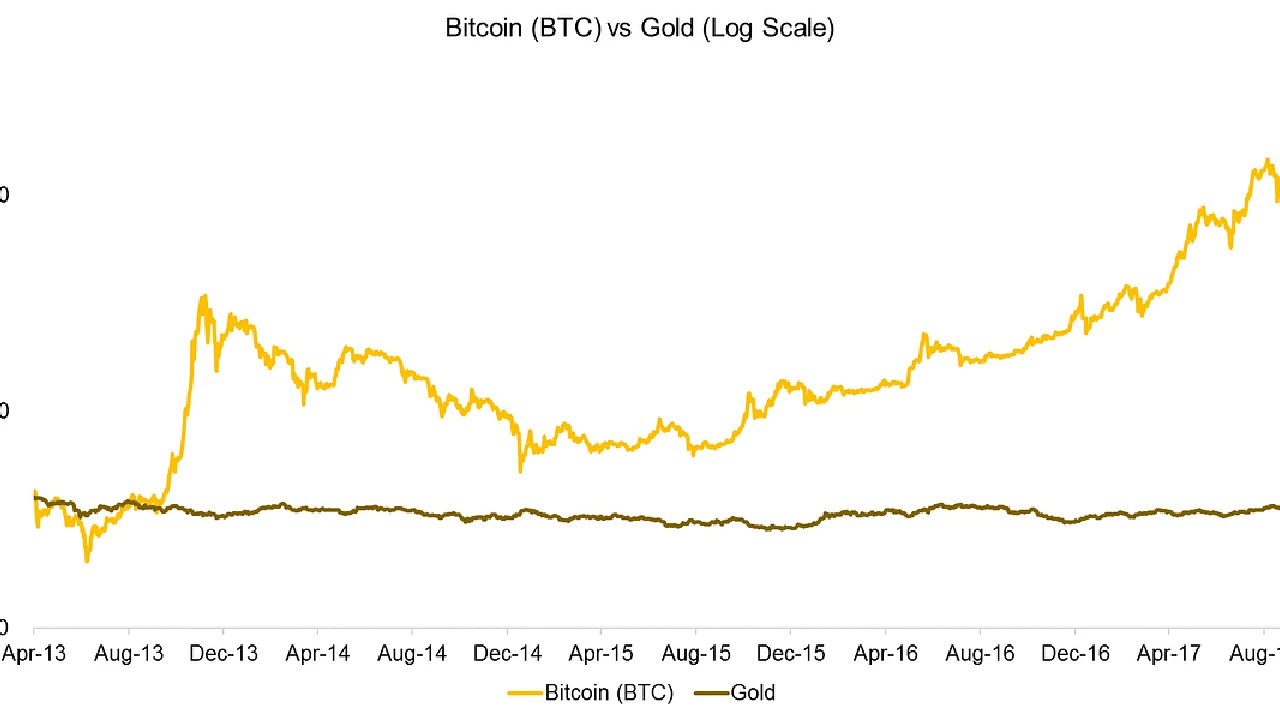
- Gold: Generally considered a low-volatility asset. Its price movements are usually gradual, making it a stable store of value.
- Cryptocurrencies: Highly volatile. Bitcoin and other cryptos can experience dramatic price swings in short periods. While this offers potential for high returns, it also comes with significant risk. This volatility is a major reason why some are hesitant to call it a true 'store of value' yet.
Liquidity and Accessibility
- Gold: Highly liquid. You can easily buy and sell physical gold or gold ETFs in most markets worldwide.
- Cryptocurrencies: Extremely liquid, especially major ones like Bitcoin and Ethereum. They trade 24/7 on global exchanges, offering instant access. However, regulatory environments can impact accessibility in certain regions.
Security and Custody
- Gold: Physical gold requires secure storage (vaults, safes). Gold ETFs are held by custodians. Risk of theft for physical gold.
- Cryptocurrencies: Digital security is paramount. If you hold your own keys in a hardware wallet, you have ultimate control, but also ultimate responsibility. Exchange hacks are a risk if you leave your assets on an exchange.
Regulation and Government Control
- Gold: Heavily regulated and often held by central banks. Its legal status is universally accepted.
- Cryptocurrencies: Regulation is still evolving globally. While some countries are embracing them, others are more cautious or even restrictive. This regulatory uncertainty can impact their long-term stability.
Inflation Hedge Capabilities
- Gold: Proven track record as an inflation hedge over centuries.
- Cryptocurrencies: Bitcoin's fixed supply makes it theoretically deflationary, but its short history means its effectiveness as an inflation hedge is still being tested. Some argue its price movements are more correlated with tech stocks than inflation.
Technological Advancement and Innovation
- Gold: A traditional asset, its value is not tied to technological innovation.
- Cryptocurrencies: Built on cutting-edge blockchain technology. Their value proposition is intrinsically linked to ongoing technological development and adoption. This can be a strength but also introduces technological risk.
Which One is Right for Your Diversified Portfolio
So, should you go for the tried-and-true gold or the disruptive digital assets? The answer, like most things in finance, isn't a simple either/or. It often comes down to your personal risk tolerance, investment horizon, and overall financial goals.
For the Conservative Investor
If you prioritize stability, a long history of value preservation, and a tangible asset, gold is likely a more comfortable choice. It acts as a ballast in a volatile portfolio, offering a sense of security during uncertain times. Consider allocating a portion of your portfolio (e.g., 5-10%) to gold, perhaps through ETFs for ease of access or physical bullion if you prefer direct ownership.
For the Growth-Oriented Investor with Higher Risk Tolerance
If you're comfortable with higher volatility for the potential of significant returns and believe in the future of decentralized finance, cryptocurrencies, particularly Bitcoin, could be an exciting addition. They offer exposure to a rapidly growing technological sector. However, it's generally advised to start with a smaller allocation (e.g., 1-5%) due to their inherent volatility and treat it as a high-growth, high-risk part of your portfolio. Remember, only invest what you can afford to lose.
The Case for Both A Diversified Approach
Many financial advisors suggest that a truly diversified portfolio might include both. Gold can provide stability and act as a traditional hedge, while cryptocurrencies can offer exposure to a new asset class with significant growth potential. They might even act as uncorrelated assets, meaning they don't always move in the same direction, which can help reduce overall portfolio risk.
For example, during a period of high inflation and economic uncertainty, gold might perform well, while a tech-driven market downturn could impact cryptocurrencies. Conversely, during a period of rapid technological adoption and innovation, cryptocurrencies might soar, while gold remains relatively stable.
Final Thoughts on Your Wealth Building Journey
Ultimately, the decision to invest in gold, cryptocurrencies, or both, should align with your individual financial strategy. Do your own research, understand the risks involved, and consider consulting with a financial advisor, especially if you're new to these asset classes. Whether you're building wealth in the US or navigating the dynamic markets of Southeast Asia, understanding the unique characteristics of gold and cryptocurrencies is key to making informed decisions for your long-term financial success. The world of finance is always evolving, and staying informed is your best asset!
:max_bytes(150000):strip_icc()/277019-baked-pork-chops-with-cream-of-mushroom-soup-DDMFS-beauty-4x3-BG-7505-5762b731cf30447d9cbbbbbf387beafa.jpg)