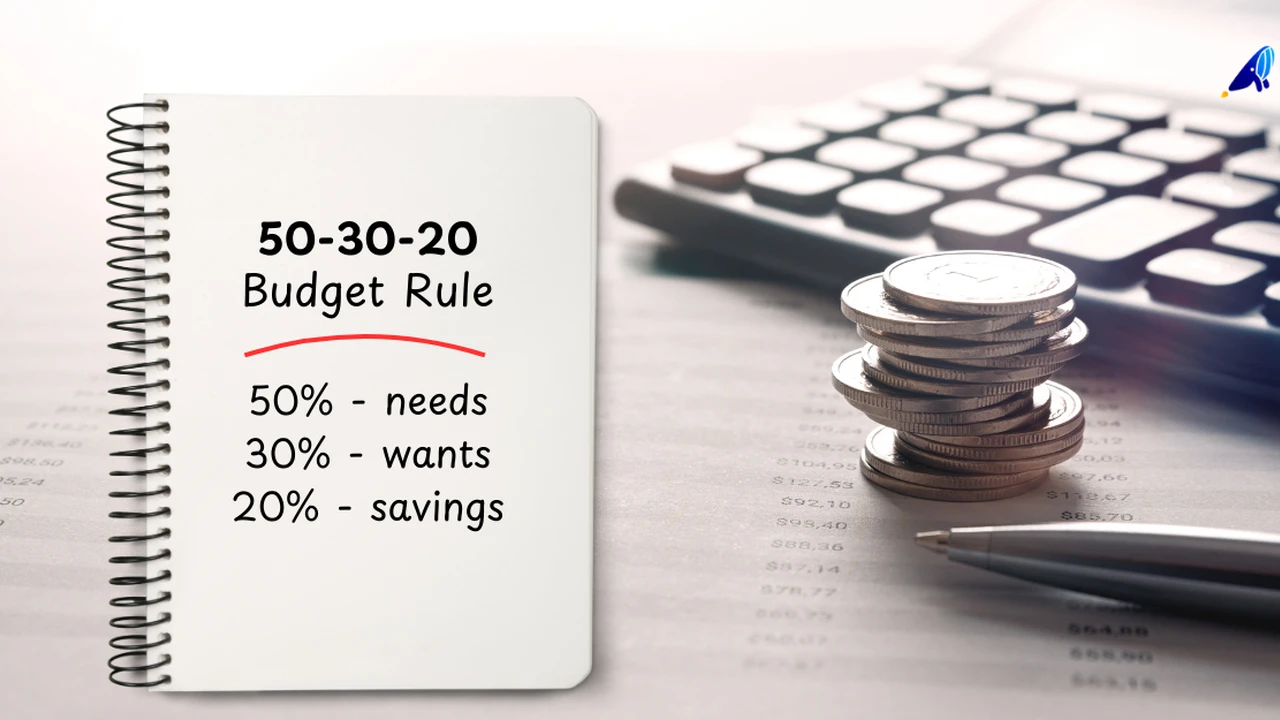
How to Automate Your Savings for Financial Success
Learn how to set up automated savings plans to achieve financial success effortlessly in the US and Southeast Asian financial landscapes.
Learn how to set up automated savings plans to achieve financial success effortlessly in the US and Southeast Asian financial landscapes.
How to Automate Your Savings for Financial Success
Hey there, future financial rockstar! Ever feel like saving money is a constant uphill battle? You set a goal, you try really hard for a few weeks, and then… life happens. A spontaneous dinner, an unexpected bill, or just plain forgetting to transfer funds. Before you know it, your savings goal feels miles away. What if I told you there's a way to make saving almost effortless? A way to build your financial future without constantly thinking about it? Welcome to the wonderful world of automated savings. This isn't just a fancy buzzword; it's a powerful strategy that can transform your financial life, whether you're navigating the bustling markets of the US or the dynamic economies of Southeast Asia.
Automating your savings means setting up regular, automatic transfers from your checking account to your savings, investment, or debt repayment accounts. It's like putting your savings on autopilot. The beauty of this approach lies in its simplicity and its ability to bypass human willpower, which, let's be honest, can be a bit unreliable sometimes. When your savings are automated, you're paying yourself first, before you even have a chance to spend that money. This article will dive deep into why automation is so effective, how to set it up, and some fantastic tools and strategies tailored for both US and Southeast Asian financial landscapes. Let's get started!
Why Automated Savings is Your Financial Superpower for US and Southeast Asia
Think about it: every month, you probably have bills that are automatically deducted from your account – rent, utilities, subscriptions. You don't think twice about them, right? Automated savings works on the same principle. By treating your savings like a non-negotiable bill, you ensure that your financial goals are consistently being worked towards. Here's why it's such a game-changer:
Overcoming Behavioral Biases and Boosting Financial Discipline
We're all human, and humans are prone to certain behavioral biases that can hinder saving. One big one is present bias – we tend to prioritize immediate gratification over future rewards. That new gadget or delicious meal today often wins out over saving for retirement decades from now. Automation sidesteps this by removing the decision-making process. Once it's set up, the money moves before you can even consider spending it. This builds financial discipline without requiring constant conscious effort. For individuals in both the fast-paced US economy and the rapidly developing Southeast Asian markets, where consumer temptations are abundant, this 'set it and forget it' approach is invaluable.
Consistency is Key for Compounding Returns and Goal Achievement
Whether you're saving for a down payment, retirement, or a child's education, consistency is paramount. Automated savings ensures that you're regularly contributing, which is crucial for harnessing the power of compounding. Compounding is essentially earning returns on your returns, and it's often called the 'eighth wonder of the world' for a reason. The more consistently you contribute, and the longer your money has to grow, the more significant the compounding effect. This is true whether you're investing in the US stock market or a growing fund in Singapore or Vietnam.
Reducing Financial Stress and Gaining Peace of Mind
Constantly worrying about whether you're saving enough can be incredibly stressful. When your savings are automated, you know that a portion of your income is always going towards your future. This provides immense peace of mind. You can enjoy your current spending without guilt, knowing that your financial goals are being taken care of in the background. This mental freedom allows you to focus on other aspects of your life, knowing your financial foundation is solid.
Setting Up Your Automated Savings System Step by Step for US and Southeast Asia
Ready to put your savings on autopilot? Here's a practical guide to setting up your automated system, with considerations for both US and Southeast Asian contexts.
Step 1 Define Your Financial Goals and Amounts for US and Asia
Before you automate, you need to know what you're saving for. Are you building an emergency fund? Saving for a house? Planning for retirement? Each goal might require a different account or investment vehicle. Once you have your goals, determine how much you need to save for each. Be realistic but also ambitious. For example, if you're in the US, you might aim for 3-6 months of living expenses for an emergency fund. In Southeast Asia, where social safety nets might differ, you might aim for a slightly larger buffer. Break down your annual savings goals into monthly or bi-weekly amounts.
Step 2 Choose the Right Accounts for Your Goals US and Southeast Asia
This is where your money will actually go. You'll likely need a few different types of accounts:
- High-Yield Savings Accounts (HYSAs): Perfect for emergency funds and short-term goals (e.g., down payment, vacation). These offer better interest rates than traditional savings accounts. In the US, popular options include Ally Bank, Marcus by Goldman Sachs, and Discover Bank. In Southeast Asia, digital banks like CIMB Bank (Malaysia, Singapore), Tonik (Philippines), and SeaBank (Indonesia, Philippines) often offer competitive rates. Traditional banks like DBS (Singapore) and Bangkok Bank (Thailand) also have good options.
- Investment Accounts: For long-term goals like retirement or wealth building. This could be a brokerage account for stocks, ETFs, or mutual funds. In the US, consider Fidelity, Vanguard, or Charles Schwab. For Southeast Asia, platforms like Interactive Brokers (global access), Syfe (Singapore), StashAway (Singapore, Malaysia, Thailand), and Ajaib (Indonesia) are popular.
- Retirement Accounts: These offer tax advantages for retirement savings. In the US, this includes 401(k)s (employer-sponsored) and IRAs (individual retirement accounts like Traditional or Roth). In Southeast Asia, retirement schemes vary by country, such as the CPF (Central Provident Fund) in Singapore, EPF (Employees Provident Fund) in Malaysia, or various private pension funds.
- Debt Repayment: While not strictly 'savings,' automating extra payments to high-interest debt (like credit cards) is a form of 'saving' on interest.
Step 3 Set Up Automatic Transfers from Your Checking Account
This is the core of automation. Log into your online banking portal or use your bank's mobile app. Look for options like 'Transfers,' 'Scheduled Transfers,' or 'Automate Savings.' You'll typically need to specify:
- Source Account: Your primary checking account.
- Destination Account: Your HYSA, investment account, or retirement account.
- Amount: The specific amount you want to transfer.
- Frequency: Weekly, bi-weekly (often aligned with paychecks), or monthly. Bi-weekly can be great because you'll make 26 transfers a year, effectively getting two 'extra' transfers compared to monthly.
- Start Date: Align this with your payday to ensure the money is moved before you have a chance to spend it.
You can set up multiple transfers to different accounts. For example, $200 to your emergency fund HYSA, $300 to your investment account, and an extra $50 to your credit card principal.
Step 4 Review and Adjust Regularly for Financial Growth
Automation doesn't mean setting it and forgetting it forever. Life changes, income changes, and goals evolve. Make it a habit to review your automated transfers at least once a year, or whenever you get a raise, change jobs, or experience a significant life event. Can you increase your savings amount? Are your goals still relevant? Adjust as needed to keep your system optimized for your current financial situation.
Recommended Tools and Apps for Automated Savings US and Southeast Asia
Beyond your traditional bank's transfer features, several apps and platforms can supercharge your automated savings efforts. Here are some top picks, with a focus on availability and relevance for both US and Southeast Asian users:
Robo-Advisors for Automated Investing US and Asia
Robo-advisors are excellent for automating your investments. They build and manage diversified portfolios based on your risk tolerance and goals, often with low fees. You can set up recurring deposits, and they'll automatically invest the funds according to your chosen strategy.
US Specific Robo-Advisors:
- Betterment: One of the pioneers in robo-advising. Offers automated investing, tax-loss harvesting, and goal-based planning. You can set up recurring deposits as low as $10. Fees are typically 0.25% of assets under management (AUM) per year.
- Wealthfront: Similar to Betterment, offering automated investing, tax-loss harvesting, and a focus on long-term growth. Also has a cash account with competitive interest rates. Minimum to open an investment account is $500, with fees around 0.25% AUM.
- Fidelity Go: A robo-advisor service from Fidelity, combining automated investing with access to human advisors for higher tiers. Minimum to open is $0, with a 0.35% AUM fee for balances over $25,000 (no advisory fee for balances under $25,000).
Southeast Asia Specific Robo-Advisors:
- Syfe (Singapore, Australia, Hong Kong): Offers various portfolios (Core, REIT+, Equity100) and allows for recurring deposits. Minimum investment is often S$100, with fees ranging from 0.35% to 0.65% AUM depending on the portfolio and amount.
- StashAway (Singapore, Malaysia, UAE, Hong Kong, Thailand): Another popular robo-advisor with intelligent portfolios and automated rebalancing. Offers flexible recurring deposits. Fees range from 0.2% to 0.8% AUM, depending on the amount invested.
- Ajaib (Indonesia): A rapidly growing investment app in Indonesia, offering automated investing in stocks and mutual funds. Known for its user-friendly interface and low minimums, making it accessible for beginners. Fees vary by product.
- Wahed Invest (Malaysia, Indonesia): A Shariah-compliant digital investment platform, offering automated investing in ethical portfolios. Minimum investment is often low, with fees around 0.79% AUM.
Budgeting and Savings Apps with Automation Features for US and Asia
Many personal finance apps integrate budgeting with automated savings features, often using 'round-ups' or smart transfers.
US Specific Apps:
- Acorns: This app rounds up your debit/credit card purchases to the nearest dollar and invests the spare change into a diversified portfolio. It also allows for recurring daily, weekly, or monthly investments. Monthly fees typically start at $3 for Acorns Personal.
- Chime: A popular online bank that offers automatic savings features like 'Save When I Get Paid' (automatically transfers a percentage of your paycheck) and 'Round Up' (rounds up purchases and transfers the difference to savings). No monthly fees for the checking account.
- Digit: An AI-powered savings app that analyzes your spending habits and automatically saves small amounts of money it deems you won't miss. It can also help pay down debt. Costs $5 per month after a trial.
Southeast Asia Specific Apps:
- GSave (Philippines, via GCash): A savings account within the popular GCash e-wallet, powered by CIMB Bank. Offers competitive interest rates and allows for easy transfers from your GCash wallet. You can manually transfer or set reminders.
- TMRW by UOB (Thailand, Indonesia): A digital bank that offers smart savings features, including a 'Goal Savings' account where you can set up recurring transfers and track progress.
- OCBC Frank (Singapore): While a traditional bank, OCBC's Frank account is geared towards younger users and offers features like 'Save with Frank' which allows for automated transfers to different savings goals.
- BigPay (Malaysia, Singapore, Thailand): Primarily a digital wallet and prepaid card, BigPay allows you to track spending and set budgets, which can indirectly support automated savings by helping you identify funds to transfer.
Direct Bank Transfers and Payroll Deductions for Universal Application
Don't underestimate the power of your own bank's online portal or your employer's payroll system. These are often the most straightforward and free ways to automate your savings.
- Your Bank's Online Banking: As mentioned in Step 3, most banks in the US and Southeast Asia (e.g., Bank of America, Chase, DBS, Maybank, BDO) allow you to set up recurring transfers between your accounts. This is usually free and highly customizable.
- Payroll Deductions: Many employers allow you to split your direct deposit into multiple accounts. You can direct a portion of each paycheck directly into your savings or investment accounts before it even hits your checking account. This is arguably the most powerful form of automation as you never even 'see' the money in your checking account, making it less likely to be spent. Check with your HR or payroll department.
Advanced Strategies and Tips for Maximizing Automated Savings US and Southeast Asia
Once you've got the basics down, here are some ways to supercharge your automated savings:
The 'Pay Yourself First' Principle for Financial Freedom
This is the golden rule of automated savings. Instead of saving what's left after expenses, you prioritize saving. When your paycheck comes in, the first 'bill' you pay is to your future self. This ensures your financial goals are always at the forefront. This principle is universally applicable and highly effective in any financial environment.
Automate Windfalls and Bonuses for Accelerated Growth
Did you get a tax refund, a work bonus, or an unexpected gift? Instead of letting it sit in your checking account or spending it impulsively, automate a transfer of a significant portion (or all!) of it to your savings or investment accounts. This is a fantastic way to accelerate your progress towards your goals without impacting your regular budget.
The 'Ladder' Approach to Savings Goals for Motivation
If you have multiple savings goals, consider creating a 'savings ladder.' For example, first, fully fund your emergency account. Once that's done, redirect those automated transfers to your down payment fund. Once that's complete, redirect to your retirement fund. This provides a sense of accomplishment as you 'graduate' from one goal to the next, keeping you motivated.
Automate Debt Repayment for Faster Financial Freedom
Don't forget about debt! Automating extra payments to high-interest debt (like credit cards or personal loans) is a form of 'saving' because you're reducing the amount of interest you'll pay over time. Set up an automatic transfer for an amount above your minimum payment directly to the principal of your highest-interest debt. This is particularly impactful in regions where interest rates can be high.
Leverage Micro-Savings and Round-Up Features for Effortless Contributions
Apps like Acorns (US) or features offered by some digital banks in Southeast Asia that round up your purchases and save the difference can be a great way to painlessly accumulate small amounts of money. While these won't replace your primary automated transfers, they can add up over time and provide a nice little boost to your savings.
Regularly Increase Your Automated Contributions with Income Growth
Every time you get a raise, a promotion, or a new income stream, make it a habit to increase your automated savings contributions. Even a small percentage increase can make a huge difference over the long term. If you get a 5% raise, try to save at least half of that increase. You won't miss the money, and your future self will thank you.
Common Pitfalls to Avoid in Automated Savings US and Southeast Asia
While automation is powerful, there are a few things to watch out for:
Not Having an Emergency Fund First
Before you aggressively automate investments, ensure you have a fully funded emergency fund (3-6 months of living expenses) in an easily accessible, high-yield savings account. Without this buffer, an unexpected expense could force you to dip into your investments, potentially incurring penalties or selling at a loss.
Setting Unrealistic Transfer Amounts
Don't set your automated transfers so high that you constantly run out of money in your checking account. This can lead to overdraft fees and frustration. Start with an amount you're comfortable with, and gradually increase it as you get a better handle on your budget.
Forgetting to Review and Adjust
As mentioned, automation isn't a 'set it and forget it forever' solution. Life changes, and your financial plan should too. Regularly review your goals, income, and expenses to ensure your automated transfers are still aligned with your current situation.
Ignoring Fees and Interest Rates
When choosing savings accounts or investment platforms, always be mindful of fees and interest rates. A high-yield savings account can significantly boost your emergency fund's growth, while high investment fees can eat into your returns over time. Compare options carefully in both the US and Southeast Asian markets.
Automating your savings is one of the most impactful financial decisions you can make. It removes the guesswork, eliminates the need for constant willpower, and ensures consistent progress towards your financial goals. By leveraging the tools and strategies available in both the US and Southeast Asia, you can build a robust financial future with less stress and more confidence. So, go ahead, set up those transfers, and watch your financial success unfold effortlessly!
:max_bytes(150000):strip_icc()/277019-baked-pork-chops-with-cream-of-mushroom-soup-DDMFS-beauty-4x3-BG-7505-5762b731cf30447d9cbbbbbf387beafa.jpg)