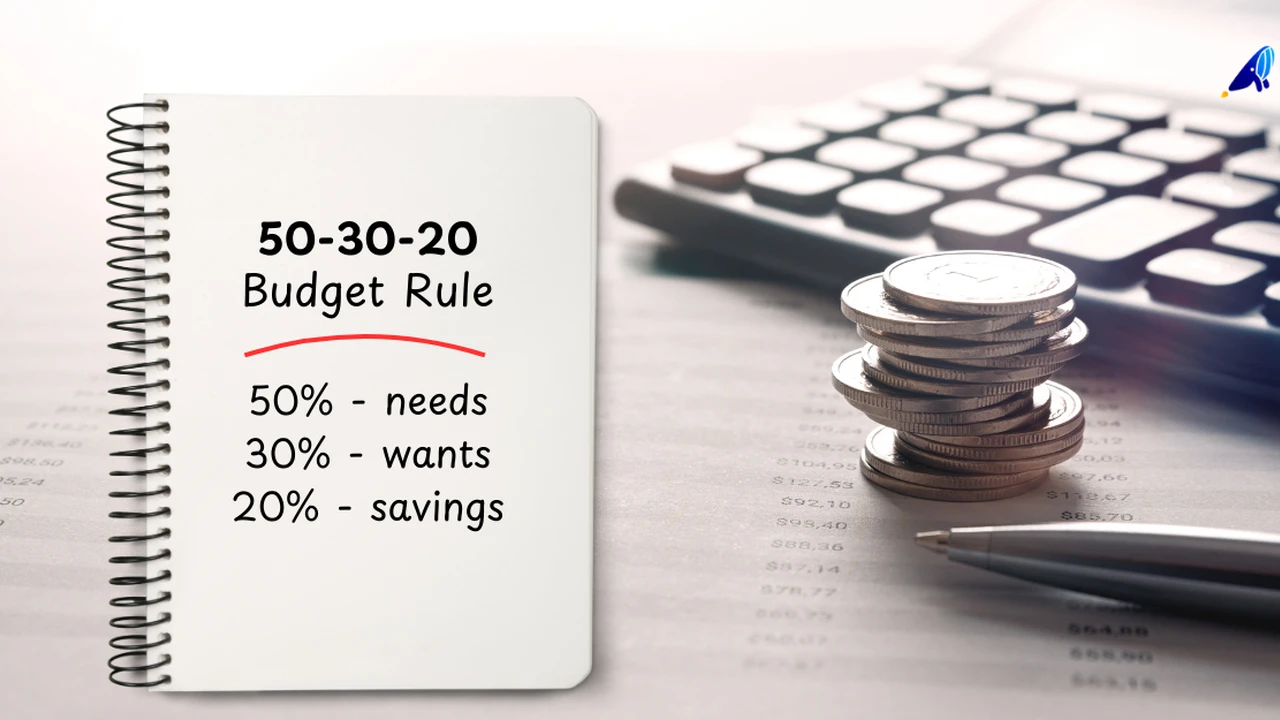
Top 7 Mistakes to Avoid When Managing Debt
Learn about seven common mistakes to avoid when managing debt, ensuring a smoother path to financial freedom.
Learn about seven common mistakes to avoid when managing debt, ensuring a smoother path to financial freedom.
Top 7 Mistakes to Avoid When Managing Debt
Hey there! Let's talk about debt. It's a word that can send shivers down anyone's spine, whether you're in the bustling streets of New York or the vibrant markets of Bangkok. Debt, in its simplest form, is money owed. It can be a powerful tool for building wealth, like a mortgage on your dream home or a loan for a business venture. But it can also be a heavy burden, leading to stress, sleepless nights, and a feeling of being trapped. For many, especially in the US and Southeast Asia, managing debt effectively is a crucial step towards financial freedom. However, it's incredibly easy to fall into common traps that can make your debt situation worse. That's why we're here today – to shine a light on the top 7 mistakes people make when managing debt, and more importantly, how you can avoid them. We'll dive deep into each mistake, offer practical advice, and even recommend some tools and products that can help you navigate your debt journey. So, grab a cup of coffee, and let's get started on securing your financial future!
Mistake 1 Ignoring Your Debt Problem Early On
One of the biggest and most common mistakes people make is simply ignoring their debt. It's like having a small leak in your roof; if you don't fix it, it'll eventually become a huge, costly problem. This is particularly prevalent with credit card debt or small personal loans. You might think, 'Oh, it's just a few hundred dollars, I'll deal with it next month.' But next month turns into the month after, and before you know it, interest charges have piled up, and that small leak has become a flood.
Why Ignoring Debt is Dangerous for Your Finances
Ignoring debt doesn't make it disappear; it makes it grow. High-interest debts, like credit cards, can quickly spiral out of control due to compounding interest. This means you're paying interest not just on the original amount you borrowed, but also on the accumulated interest. It's a vicious cycle that can be incredibly hard to break once it gains momentum. Furthermore, ignoring debt can lead to missed payments, which severely damage your credit score. A poor credit score can impact your ability to get loans for a house or car, rent an apartment, and even affect job opportunities in some regions.
Practical Steps to Confront Your Debt Head On
The first step to solving any problem is acknowledging it. Gather all your debt statements – credit cards, personal loans, student loans, car loans, etc. Create a comprehensive list that includes the creditor, the total amount owed, the interest rate, and the minimum monthly payment. This might feel overwhelming at first, but it's essential to have a clear picture of your financial landscape. Once you have this information, you can start to strategize. Don't be afraid to seek help from a trusted financial advisor or a non-profit credit counseling agency if you feel overwhelmed. They can provide guidance and help you create a realistic plan.
Mistake 2 Not Having a Clear Debt Repayment Plan
Once you've acknowledged your debt, the next mistake is not having a concrete plan to tackle it. Just making minimum payments without a strategy is like trying to empty a swimming pool with a teacup – it's going to take forever, and you'll likely get discouraged. A clear debt repayment plan gives you direction, motivation, and a timeline for becoming debt-free.
Comparing Debt Snowball vs Debt Avalanche Strategies
There are two popular and effective debt repayment strategies: the debt snowball and the debt avalanche. Both involve making minimum payments on all debts except one, where you focus all your extra payments.
- Debt Snowball Method: With this method, you list your debts from smallest to largest, regardless of interest rate. You pay the minimum on all debts except the smallest one, on which you pay as much extra as you can. Once the smallest debt is paid off, you take the money you were paying on it and add it to the payment for the next smallest debt. This creates a 'snowball' effect, where your payments grow larger as you pay off each debt. The psychological wins of quickly eliminating smaller debts can be incredibly motivating.
- Debt Avalanche Method: This method prioritizes debts by interest rate, from highest to lowest. You pay the minimum on all debts except the one with the highest interest rate, on which you pay as much extra as you can. Once that debt is paid off, you move to the next highest interest rate debt. This method saves you the most money on interest over time, making it mathematically superior.
Which one is right for you depends on your personality. If you need quick wins to stay motivated, the snowball method might be better. If you're disciplined and want to save the most money, the avalanche method is your go-to.
Recommended Tools for Debt Repayment Planning
Several apps and tools can help you implement these strategies:
- Undebt.it: This free online tool allows you to input all your debts and then calculates the best repayment plan using either the snowball or avalanche method. It shows you projected debt-free dates and total interest saved. It's highly customizable and great for visualizing your progress.
- You Need A Budget (YNAB): While primarily a budgeting app, YNAB (available for around $14.99/month or $99/year) is excellent for integrating debt repayment into your overall financial plan. It helps you allocate specific funds towards debt, making sure you stick to your chosen strategy. It's available globally, including in Southeast Asia.
- Personal Capital (now Empower Personal Wealth): This free financial dashboard (US-focused) allows you to link all your accounts, including debts, and provides a holistic view of your finances. While not a direct debt repayment tool, it helps you see your net worth and track your progress towards debt freedom.
Mistake 3 Not Creating and Sticking to a Budget
A budget isn't about restricting yourself; it's about giving every dollar a job. Without a budget, it's incredibly difficult to find extra money to put towards your debt, and you might unknowingly be spending more than you earn, digging yourself deeper into a hole. This mistake is common across all income levels and regions.
The Importance of Budgeting for Debt Management
A budget helps you understand where your money is going. It allows you to identify areas where you can cut back, freeing up funds to accelerate your debt repayment. It also prevents you from taking on new debt by ensuring you live within your means. Think of it as your financial roadmap, guiding you towards your debt-free destination.
Top Budgeting Apps and Their Features
Here are some excellent budgeting apps that can help you stay on track:
- Mint: A popular free budgeting app (US-focused) that links to your bank accounts and credit cards, categorizes your spending, and helps you create budgets. It also offers bill reminders and credit score tracking. While primarily US-centric, its principles are universally applicable.
- PocketGuard: This app (free with premium features at $7.99/month or $79.99/year) focuses on showing you 'how much you can safely spend' after accounting for bills, savings, and debt payments. It's great for those who struggle with overspending and need a clear picture of their disposable income. Available in the US.
- Spendee: A visually appealing budgeting app (free with premium at $2.24/month or $14.99/year) that supports multiple currencies and bank connections in various countries, including many in Southeast Asia. It offers detailed expense tracking, budget creation, and even shared wallets for couples.
- Money Lover: A highly-rated app (free with premium at $3.99/month or $29.99/year) popular in Southeast Asia. It offers budgeting, expense tracking, bill reminders, and even a debt and loan manager feature. It supports multiple currencies and can link to banks in several Asian countries.
Mistake 4 Only Making Minimum Payments
This is a trap many fall into, especially with credit cards. While making minimum payments keeps your account in good standing, it's often the slowest and most expensive way to pay off debt. Credit card companies design minimum payments to keep you in debt longer, maximizing the interest they collect.
The High Cost of Minimum Payments on Credit Cards
Let's illustrate with an example. Imagine you have a credit card balance of $5,000 with an 18% APR and a minimum payment of 2% of the balance (or $25, whichever is greater). If you only make minimum payments, it could take you over 20 years to pay off that debt, and you'd end up paying thousands of dollars in interest – often more than the original amount you borrowed! This is a stark reality for many in the US and Southeast Asia where credit card usage is high.
Strategies to Accelerate Your Debt Repayment Beyond the Minimum
The key is to pay more than the minimum whenever possible. Even an extra $20 or $50 per month can make a significant difference in the long run. Here are some ways to find that extra cash:
- Cut Unnecessary Expenses: Review your budget and identify areas where you can temporarily cut back. This could be eating out less, canceling unused subscriptions, or reducing entertainment costs.
- Increase Your Income: Look for opportunities to earn extra money. This could be a side hustle, selling unused items, or asking for a raise at work.
- Windfalls: Use any unexpected money, like a tax refund, bonus, or gift, to make a lump-sum payment on your highest-interest debt.
Mistake 5 Taking on More Debt While Repaying Existing Debt
This is a classic case of 'one step forward, two steps back.' It's incredibly counterproductive to be actively working to pay down debt while simultaneously accumulating new debt. This often happens when people haven't addressed the root causes of their initial debt or haven't adjusted their spending habits.
The Cycle of Debt and How to Break It
The cycle often starts with overspending, leading to credit card debt. Then, to manage the payments, people might take out a personal loan, only to then use their now-free credit cards again. This creates a never-ending loop. To break this cycle, you need to:
- Address the Root Cause: Why are you taking on debt? Is it impulse spending, an emergency, or simply living beyond your means? Identifying the cause is crucial.
- Create a Realistic Budget: As discussed, a budget is your best friend here. It helps you live within your income and avoid needing to borrow.
- Build an Emergency Fund: Many people resort to credit cards for emergencies. Having an emergency fund (3-6 months of living expenses) can prevent this.
Recommended Products for Emergency Savings
Having a dedicated emergency fund is paramount. Here are some options:
- High-Yield Savings Accounts (HYSA): These accounts offer significantly higher interest rates than traditional savings accounts, helping your emergency fund grow faster. In the US, popular options include Ally Bank Savings Account (often 4.25% APY or higher, no monthly fees, no minimum balance) or Marcus by Goldman Sachs Online Savings Account (similar rates and features). In Southeast Asia, digital banks like GXS Bank (Singapore) or SeaBank (Philippines) often offer competitive rates (e.g., 2.68% p.a. for GXS, 4.5% p.a. for SeaBank) with low or no minimums.
- Money Market Accounts: These are similar to HYSAs but sometimes offer check-writing privileges. Rates are generally competitive with HYSAs.
Mistake 6 Not Seeking Professional Help When Needed
Sometimes, debt can feel insurmountable, and trying to tackle it alone can be overwhelming. Many people make the mistake of not seeking professional help, either due to embarrassment or a belief that they can handle it themselves, even when they're clearly struggling. This is a common issue in both developed and developing economies.
When to Consider Credit Counseling or Debt Consolidation
If you're consistently missing payments, only making minimum payments on high-interest debt, or feel like your debt is controlling your life, it might be time to seek professional help. Here are some scenarios where it's particularly beneficial:
- You have multiple high-interest debts.
- You're struggling to make even minimum payments.
- You're receiving calls from collection agencies.
- You feel overwhelmed and stressed by your debt.
Reputable Debt Management Services and Their Offerings
There are several types of professional help available:
- Non-Profit Credit Counseling Agencies: Organizations like the National Foundation for Credit Counseling (NFCC) in the US offer free or low-cost counseling. They can help you create a budget, develop a debt management plan (DMP), and even negotiate with creditors on your behalf to lower interest rates or waive fees. They are accredited and focus on educating consumers.
- Debt Consolidation Loans: These loans combine multiple debts into a single loan, often with a lower interest rate and a single monthly payment. This can simplify your finances and potentially save you money on interest.
- US Options: Lenders like LightStream (personal loans with competitive rates for good credit, no fees), SoFi (personal loans, often with unemployment protection), and Payoff (now Happy Money) (personal loans specifically for credit card debt, focusing on financial wellness) are popular. Interest rates vary widely based on credit score, typically from 5% to 30% APR.
- Southeast Asia Options: Many local banks offer personal loans for debt consolidation. For example, in Singapore, banks like DBS or OCBC offer personal loans. In the Philippines, BDO or BPI have similar offerings. Digital lenders are also emerging. Rates can range from 6% to 25% p.a. depending on the country and your creditworthiness.
- Balance Transfer Credit Cards: These cards allow you to transfer high-interest credit card balances to a new card, often with a 0% introductory APR for a period (e.g., 12-21 months). This gives you time to pay down the principal without accruing interest.
- US Options: Cards like the Chase Slate Edge (0% intro APR for 18 months on balance transfers, then variable APR) or the Citi Simplicity Card (0% intro APR for 21 months on balance transfers, then variable APR) are common. Be aware of balance transfer fees, typically 3-5%.
- Southeast Asia Options: Many banks offer balance transfer options. For instance, in Malaysia, banks like Maybank or CIMB offer balance transfer programs, often with lower interest rates for a promotional period. Terms and fees vary by bank and country.
Mistake 7 Not Building an Emergency Fund
We touched on this earlier, but it's such a critical mistake that it deserves its own section. Many people focus solely on paying down debt, which is great, but they neglect to build a financial safety net. When an unexpected expense arises – a medical emergency, car repair, or job loss – without an emergency fund, they often resort to taking on more debt, undoing all their hard work.
The Vicious Cycle of Debt and Unexpected Expenses
Imagine you've been diligently paying down your credit card debt. You're making great progress. Then, your car breaks down, costing $1,000 to repair. If you don't have an emergency fund, you'll likely put that expense on your credit card, adding to the debt you were trying to eliminate. This can be incredibly demoralizing and lead to a feeling of hopelessness.
How to Prioritize an Emergency Fund Alongside Debt Repayment
The general recommendation is to have 3-6 months' worth of living expenses saved in an easily accessible, separate account. While paying off high-interest debt is crucial, it's often wise to build a small 'starter' emergency fund (e.g., $1,000 or one month's expenses) first. This acts as a buffer against minor emergencies. Once you have that, you can aggressively tackle your high-interest debt. After the high-interest debt is gone, then focus on fully funding your emergency fund.
Recommended Savings Products for Your Emergency Fund
As mentioned before, High-Yield Savings Accounts (HYSAs) are ideal for emergency funds because they offer liquidity (easy access to your money) and earn more interest than traditional savings accounts. Look for accounts with no monthly fees and no minimum balance requirements.
- US Specifics: Beyond Ally and Marcus, consider Discover Bank Online Savings Account (competitive APY, no fees) or Capital One 360 Performance Savings (strong online presence, good rates).
- Southeast Asia Specifics: In addition to GXS and SeaBank, explore options like CIMB Bank (Malaysia) for their high-yield savings accounts or UOB Stash Account (Singapore) which offers bonus interest for maintaining or increasing your balance. Always compare current interest rates and terms as they can change frequently.
Remember, the goal is to have money readily available for true emergencies, so avoid investing your emergency fund in volatile assets like stocks.
Final Thoughts on Mastering Your Debt Journey
Managing debt can feel like a marathon, not a sprint. It requires discipline, patience, and a clear strategy. By avoiding these seven common mistakes – ignoring your debt, lacking a plan, not budgeting, only making minimum payments, taking on new debt, not seeking help, and neglecting an emergency fund – you're setting yourself up for success. It's about making conscious choices, understanding your financial situation, and taking proactive steps. Whether you're just starting your debt repayment journey or looking to refine your strategy, remember that every small step forward counts. You've got this!
:max_bytes(150000):strip_icc()/277019-baked-pork-chops-with-cream-of-mushroom-soup-DDMFS-beauty-4x3-BG-7505-5762b731cf30447d9cbbbbbf387beafa.jpg)