Comparing Dividend Investing vs Growth Investing
A detailed comparison of dividend investing versus growth investing to help you choose the best strategy for your wealth goals.
A detailed comparison of dividend investing versus growth investing to help you choose the best strategy for your wealth goals.
Comparing Dividend Investing vs Growth Investing
Hey there, future financial wizard! Ever wondered how some folks seem to effortlessly grow their money in the stock market while others struggle? A big part of that success often boils down to their investment strategy. Today, we're diving deep into two of the most popular approaches: dividend investing and growth investing. Both have their merits, their fan clubs, and their unique ways of helping you build wealth. But which one is right for you, especially if you're looking at markets in the US and Southeast Asia?
Let's break it down, compare the nitty-gritty, and even look at some real-world examples and products that fit each style. By the end of this, you'll have a much clearer picture of which path aligns best with your financial goals and risk tolerance.
Understanding Dividend Investing What is it and How Does it Work
So, what exactly is dividend investing? Imagine owning a piece of a highly profitable company. As that company makes money, it often decides to share a portion of its profits with its shareholders – that's you! These payouts are called dividends, and they're usually distributed quarterly. Dividend investors focus on buying stocks of companies that regularly pay out these dividends. The idea is to create a steady stream of income from your investments, almost like getting a regular paycheck from your portfolio.
Think of it this way: you buy a rental property, and every month, you get rent checks. Dividend stocks are similar, but instead of rent, you get a share of the company's profits. This strategy is often favored by those looking for income, especially retirees or those aiming for financial independence where their investment income can cover their living expenses.
Key Characteristics of Dividend Stocks Stable Companies and Consistent Payouts
Companies that pay consistent dividends are typically well-established, financially stable, and have a proven track record of profitability. They're often in mature industries, like utilities, consumer staples, or telecommunications. These aren't the flashy tech startups promising to change the world overnight; they're the steady Eddies that reliably generate cash flow. They might not offer explosive growth, but they offer stability and a predictable income stream.
For example, in the US, you might look at companies like Coca-Cola (KO), Procter & Gamble (PG), or Johnson & Johnson (JNJ). These are household names that have been paying dividends for decades, often increasing them year after year. In Southeast Asia, you might find similar characteristics in large banks like DBS Group (D05.SI) in Singapore or Public Bank Berhad (1295.KL) in Malaysia, or even telecommunication giants like Singapore Telecommunications (Z74.SI).
Advantages of Dividend Investing Income Generation and Lower Volatility
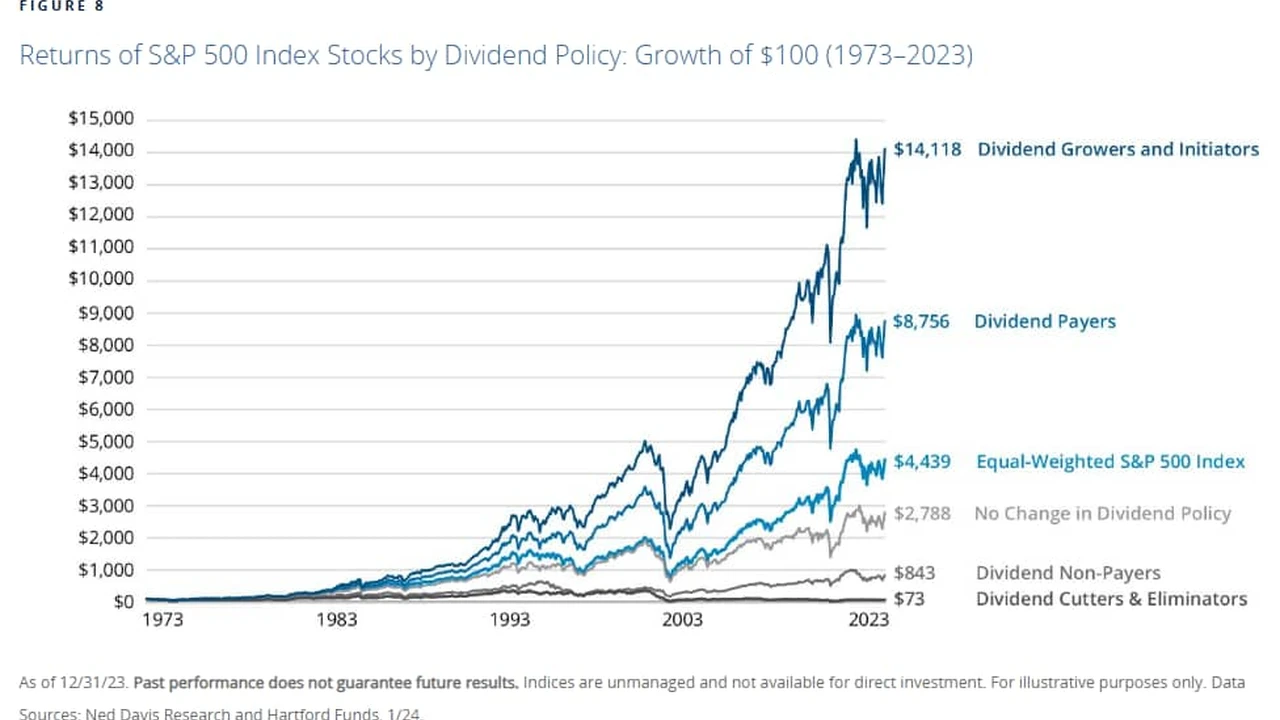
The most obvious advantage is the regular income. This can be incredibly appealing, especially if you're looking to supplement your current income or eventually live off your investments. Dividends can also act as a cushion during market downturns. Even if the stock price drops, you're still receiving those payouts, which can help offset some of the paper losses. Historically, dividend-paying stocks have also shown lower volatility compared to their non-dividend-paying counterparts, making them a potentially less stressful investment.
Disadvantages of Dividend Investing Slower Growth and Tax Implications
On the flip side, dividend stocks typically don't offer the same explosive growth potential as some growth stocks. A company paying out a large portion of its earnings as dividends has less money to reinvest back into the business for expansion. Also, dividends are often taxed, which can eat into your returns, especially if held in a taxable account. It's crucial to understand the tax implications in your specific region, whether it's the US or a Southeast Asian country like Singapore or Malaysia.
Exploring Growth Investing What is it and How Does it Work
Now, let's shift gears to growth investing. This strategy is almost the opposite of dividend investing. Growth investors are on the hunt for companies that are expected to grow at an above-average rate compared to the overall market. These companies typically reinvest most, if not all, of their earnings back into the business to fuel further expansion, innovation, and market dominance. They rarely pay dividends, as every penny is used to grow the company.
Think of it like investing in a promising startup that's rapidly expanding. You're not getting regular payouts, but you're betting on the company's value skyrocketing as it captures more market share, develops new products, or enters new markets. The return comes from the appreciation of the stock price, not from regular income.
Key Characteristics of Growth Stocks Innovative Companies and High Reinvestment
Growth companies are often found in rapidly evolving sectors like technology, biotechnology, or renewable energy. They're characterized by strong revenue growth, innovative products or services, and often a competitive advantage that allows them to expand quickly. These companies might not be profitable yet, or their profits might be small compared to their revenue, as they're heavily investing in their future.
In the US, think of companies like Tesla (TSLA), Amazon (AMZN), or NVIDIA (NVDA) in their earlier, high-growth phases. While some of these are now massive, their growth trajectory was (and for some, still is) phenomenal. In Southeast Asia, you might look at emerging tech companies or e-commerce players like Sea Limited (SE) (parent company of Shopee and Garena) or Grab Holdings (GRAB) in their earlier stages, or even innovative fintech companies that are rapidly expanding across the region.
Advantages of Growth Investing High Capital Appreciation Potential
The biggest draw of growth investing is the potential for significant capital appreciation. If you pick the right growth stocks, your initial investment could multiply many times over. This can lead to substantial wealth creation over the long term. For younger investors with a longer time horizon, this can be a very attractive strategy, as they have more time to ride out market fluctuations and benefit from compounding growth.
Disadvantages of Growth Investing Higher Volatility and Greater Risk
With great potential comes great risk. Growth stocks are typically much more volatile than dividend stocks. Their valuations are often based on future expectations, and if those expectations aren't met, the stock price can drop sharply. They are also more sensitive to economic downturns and changes in market sentiment. If a growth company fails to innovate or faces strong competition, its stock price can plummet, leading to significant losses. This strategy requires more research, a higher risk tolerance, and the ability to stomach larger price swings.
Comparing the Two Strategies Key Differences and Considerations
Now that we've looked at each strategy individually, let's put them side-by-side and highlight the key differences that will help you decide which one (or a mix of both!) is best for you.
Investment Goals Income vs Capital Appreciation
This is perhaps the most fundamental difference. Dividend investing is primarily about generating a consistent income stream. Growth investing is about maximizing capital appreciation – making your initial investment grow significantly in value. Your personal financial goals should heavily influence your choice here. Are you looking for cash flow now, or are you focused on building a large nest egg for the future?
Risk Tolerance Stability vs Volatility
Dividend stocks generally offer more stability and lower volatility. Growth stocks, on the other hand, come with higher volatility and greater risk. If you're someone who gets anxious with large swings in your portfolio value, dividend investing might be a better fit. If you're comfortable with higher risk for the potential of higher rewards, growth investing could be for you.
Time Horizon Short Term Income vs Long Term Growth
While both can be long-term strategies, dividend investing can provide more immediate benefits through regular payouts. Growth investing typically requires a longer time horizon to truly realize its potential, as it takes time for companies to grow and for their stock prices to reflect that growth. Younger investors often lean towards growth, while those closer to retirement might prefer dividends.
Market Conditions Defensive vs Cyclical Performance
Dividend stocks, especially those in defensive sectors, tend to perform relatively well during economic downturns because people still need utilities, food, and basic goods. Growth stocks, being more sensitive to economic cycles, can be hit harder during recessions but can also rebound strongly during economic expansions.
Hybrid Approaches Combining the Best of Both Worlds
Who says you have to pick just one? Many successful investors employ a hybrid approach, combining elements of both dividend and growth investing. This can offer a balanced portfolio that provides both income and growth potential, while potentially mitigating some of the risks associated with focusing solely on one strategy.
Dividend Growth Investing Finding Companies That Do Both
One popular hybrid strategy is 'dividend growth investing.' This involves seeking out companies that not only pay dividends but also consistently increase those dividends over time. These companies often have strong fundamentals, growing earnings, and a commitment to returning value to shareholders. They might not offer the explosive growth of a pure growth stock, but they offer a combination of income and steady capital appreciation.
Examples in the US include companies known as 'Dividend Aristocrats' or 'Dividend Kings' – companies that have increased their dividends for 25 or 50+ consecutive years, respectively. Think of companies like Lowe's (LOW) or 3M (MMM). In Southeast Asia, you might look for established companies with a history of increasing payouts, though the 'Aristocrat' concept is less formally defined there.
Specific Products and Platforms for US and Southeast Asian Investors
Alright, let's get practical. Whether you're leaning towards dividends, growth, or a mix, you'll need the right tools and platforms. Here are some options, keeping both US and Southeast Asian investors in mind.
For Dividend Investors ETFs and Individual Stocks
If you're looking for a diversified approach to dividend investing, Exchange Traded Funds (ETFs) are fantastic. They hold a basket of dividend-paying stocks, giving you instant diversification. For US investors, some popular dividend ETFs include:
- Vanguard Dividend Appreciation ETF (VIG): Focuses on companies with a history of increasing dividends. Expense Ratio: 0.06%. Price: Around $170-$180 per share.
- Schwab US Dividend Equity ETF (SCHD): Tracks high-quality, dividend-paying US companies. Expense Ratio: 0.06%. Price: Around $75-$85 per share.
- iShares Select Dividend ETF (DVY): Invests in a broad range of US companies with high dividend yields. Expense Ratio: 0.38%. Price: Around $110-$120 per share.
For Southeast Asian investors, direct access to US ETFs is possible through international brokers. Alternatively, some local markets offer dividend-focused ETFs. For example, in Singapore, you might find ETFs tracking the Straits Times Index (STI), which includes many dividend-paying blue-chip companies. Individual stocks like DBS Group (D05.SI), Singtel (Z74.SI), or Thai Beverage (Y92.SI) are popular choices for dividend income in the region.
For Growth Investors Tech Focused ETFs and High Growth Stocks
For growth investors, ETFs can also provide diversification, especially in volatile sectors. For US investors, consider:
- Invesco QQQ Trust (QQQ): Tracks the Nasdaq 100, heavily weighted towards large-cap growth companies in tech. Expense Ratio: 0.20%. Price: Around $430-$450 per share.
- Vanguard Growth ETF (VUG): Invests in large-cap US growth stocks. Expense Ratio: 0.04%. Price: Around $330-$350 per share.
- ARK Innovation ETF (ARKK): Actively managed, focuses on disruptive innovation. Higher risk, higher potential reward. Expense Ratio: 0.75%. Price: Around $40-$50 per share (highly volatile).
For individual growth stocks in the US, think of companies like NVIDIA (NVDA), Microsoft (MSFT), or Alphabet (GOOGL). In Southeast Asia, growth opportunities might be found in emerging tech companies, e-commerce platforms, or fintech innovators. Platforms like Interactive Brokers, Charles Schwab, or Fidelity (for US investors) and local brokers like FSMOne (Singapore), Rakuten Trade (Malaysia), or Stockbit (Indonesia) can provide access to these investments. Some international brokers like eToro or Saxo Bank also offer access to both US and regional markets for Southeast Asian investors.
Brokerage Platforms for US and Southeast Asia Accessibility and Fees
Choosing the right brokerage is crucial. Here's a quick rundown:
- For US Investors:
- Fidelity, Charles Schwab, Vanguard: Great for long-term investors, low fees, wide range of investment options, excellent research tools.
- Robinhood, Webull: Popular for commission-free trading, good for beginners, but sometimes fewer research tools.
- For Southeast Asian Investors:
- Interactive Brokers (IBKR): Excellent for international access (US, Europe, Asia), low commissions, advanced tools. Great for both US and SEA residents.
- Saxo Bank: Another strong international option with good market access and research.
- Local Brokers (e.g., FSMOne in Singapore, Rakuten Trade in Malaysia, Stockbit in Indonesia): Often have lower fees for local market trades, but may have higher fees or limited access to international markets.
Important Note on Fees: Always check commission fees, currency conversion fees (if trading in different currencies), and expense ratios for ETFs. These can significantly impact your long-term returns.
Making Your Choice Aligning Strategy with Your Financial Journey
Ultimately, the choice between dividend investing and growth investing isn't about one being inherently 'better' than the other. It's about finding the strategy that best suits your individual circumstances, financial goals, and personality. Many investors find success by blending both approaches, creating a diversified portfolio that offers both income and growth potential.
If you're young, have a long time horizon, and are comfortable with higher risk, a growth-heavy portfolio might be appealing. If you're nearing retirement, prioritize income, or prefer a more stable ride, a dividend-focused approach could be more suitable. Don't be afraid to start with one and adjust as your financial situation and goals evolve. The most important thing is to start investing, stay consistent, and keep learning!
:max_bytes(150000):strip_icc()/277019-baked-pork-chops-with-cream-of-mushroom-soup-DDMFS-beauty-4x3-BG-7505-5762b731cf30447d9cbbbbbf387beafa.jpg)